
How Do Emission Control Systems Work on Trucks?
Understanding Truck Emission Control Systems | A Driver’s Guide

Improving your truck’s emissions starts with knowing how the different parts of the engine and exhaust system work together. When you follow the maintenance schedule from the manufacturer and use OEM quality parts, your truck stays cleaner and runs better. Regular oil changes, replacing air filters, inspecting fuel filters, and monitoring coolant levels all help the engine burn fuel in a cleaner way. Keeping sensors and connectors clean and working the right way helps the truck respond correctly to driving conditions. When all of these things are done on time, your truck stays in line with EPA and CARB rules, avoids long downtime, and stays safe and reliable all year.
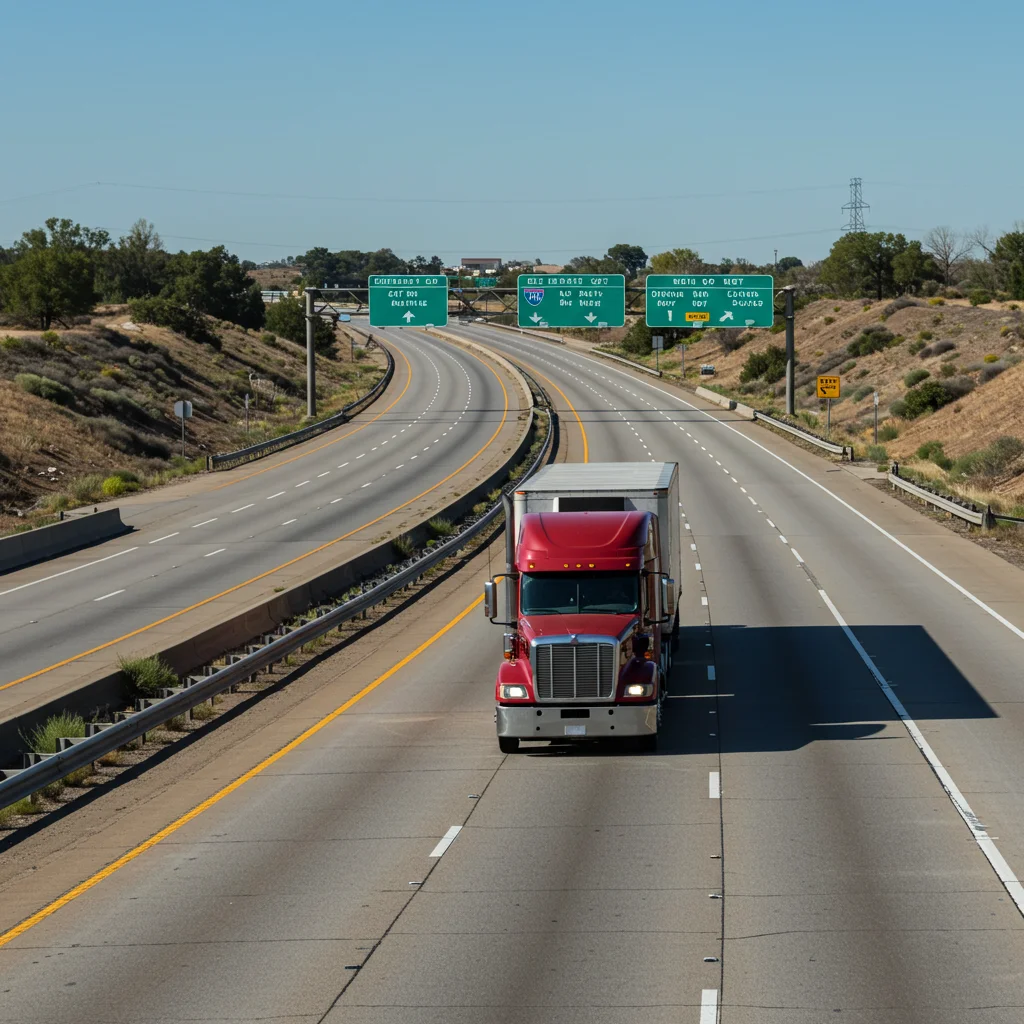
Improving your truck’s emissions begins with checking the components that help clean exhaust air. Regular oil changes reduce soot buildup inside the engine. Replacing air filters and inspecting fuel filters ensures the engine receives clean air and fuel, leading to better combustion. Monitoring coolant levels prevents overheating, which can worsen emissions. Inspecting the DOC for clogs and replacing it when necessary keeps exhaust flowing smoothly. Checking the entire exhaust system for leaks ensures sensors and pressure readings remain accurate. Maintaining proper tire pressure, rotating tires, and checking alignment reduces strain on the engine, helping lower emissions. Following the maintenance schedule and performing regular diagnostic scans keeps the truck’s sensors and systems clean and functioning correctly. Learn more about Clean Truck Check in Mead Valley, CA.
Your diesel particulate filter (DPF) is one of the most important components for controlling soot. Monitoring DPF warning lights and performing regenerations on schedule prevents excessive soot buildup. If the filter becomes too full, a forced regeneration helps clear it. Scheduling professional DPF cleaning removes heavy buildup that regular regenerations cannot handle. Avoiding extended idling reduces additional soot production. Monitoring engine backpressure and keeping detailed service records helps detect issues early. Using high-quality diesel fuel reduces soot entering the DPF. When sensors and connectors remain clean and diagnostics are performed regularly, the DPF system operates more efficiently and lasts longer. Learn more about Clean Truck Check in Mecca, CA.
The SCR system is essential for reducing NOx emissions and staying within legal limits. Regularly topping off Diesel Exhaust Fluid (DEF) ensures the system doses the correct amount. Using high-quality, certified DEF prevents crystal formation and protects the injectors. Proper DEF storage prevents degradation. Inspecting SCR components helps identify issues such as leaks or cracks early. Monitoring DEF consumption can indicate potential problems. Checking NOx sensors ensures accurate exhaust readings. Inspecting the exhaust system for leaks maintains consistent temperature, allowing the SCR to operate effectively. With regular professional inspections and a solid maintenance plan, the SCR system remains reliable and compliant with emissions regulations. Learn more about Clean Truck Check in Mesa Verde, CA.
A clean EGR system helps reduce emissions by recirculating a small amount of exhaust gas back into the engine for more complete fuel combustion. Inspecting and cleaning the EGR valve and cooler prevents clogging, which can cause rough idling or poor fuel economy. Keeping diesel fuel injectors clean allows the engine to burn fuel smoothly and reduces soot entering the EGR system. Monitoring for changes such as hesitation, rough running, or smoke indicates when maintenance is needed. Clean sensors and OEM-quality parts ensure the EGR system functions correctly. When properly maintained, the EGR system continues to reduce emissions and improve fuel efficiency. Learn more about Clean Truck Check in Mesaville, CA.
Preventive maintenance is one of the best ways to keep your truck’s emissions low. Inspecting brakes, checking brake pad wear, and monitoring for fluid leaks prevents the engine from working too hard. Checking transmission fluid and servicing the transmission on schedule helps the truck shift smoothly. Inspecting driveline components, U-joints, and turbocharger performance reduces engine strain. Checking the intercooler and hoses maintains proper boost pressure. Listening for unusual engine noises helps catch problems early. Reducing stop-and-go driving and keeping vehicle weight within limits lowers soot buildup. Following these steps ensures the engine runs cleaner and lasts longer. Learn more about Clean Truck Check in Midland, CA.
High-quality ULSD fuel reduces soot inside the engine and helps protect the DPF, EGR, and injectors. Keeping the fuel tank from running too low prevents dirt and sediment from entering the fuel system. Periodic inspections of the emissions system help catch problems early. Using high-quality DEF ensures the SCR system functions properly and prevents damage caused by poor-quality fluid. Proper DEF storage preserves its effectiveness. Only using fuel additives when recommended prevents sensor damage. Clean injectors and consistent fuel pressure allow fuel to burn evenly, reducing soot and preventing clogging of emissions components. Learn more about Clean Truck Check in Miller Farms, CA.
Avoiding long idling times helps reduce soot production and prevents the DPF from filling up too quickly. Inspecting for air leaks in the intake, turbo, and intercooler ensures the engine maintains steady pressure and burns fuel more cleanly. Proper tire inflation, alignment, and rotation reduce rolling resistance, helping the engine operate efficiently. Tracking mileage-based service, keeping sensors clean, and addressing warning signs early keeps the truck running smoothly. When drivers can identify early problems, small issues are less likely to become major emissions concerns. Learn more about Clean Truck Check in Mira Loma, CA.
Diesel mechanics recommend regular diagnostic scans, forced regenerations when needed, and routine inspections of the DPF, SCR, EGR, and DOC systems. Having a preventive maintenance plan and using fleet maintenance management tools keeps every system on schedule. Professional inspections help detect problems early, preventing emissions from worsening. Keeping sensors clean, replacing worn belts and hoses, and monitoring cooling system components prevents overheating and helps fuel burn more efficiently. Following these expert tips reduces downtime, protects engine life, and ensures trucks comply with EPA and CARB regulations. Learn more about Clean Truck Check in Mons, CA.
Understanding Truck Emission Control Systems | A Driver’s Guide
What is the Lifespan of Truck Emissions Components | Guide to Durability and Replacement

Are New Diesel Trucks Reliable with Emissions Systems | What You Need to Know
Truck Emissions Maintenance | How to Reduce Pollution and Boost Efficiency
Reduce Truck Emissions | Practical Ways to Lower Your Carbon Footprint

What Causes High Diesel Emissions | Key Factors You Need to Know