How Do Emission Control Systems Work on Trucks?
Understanding Truck Emission Control Systems | A Driver’s Guide

The lifespan of truck emissions components depends on taking good care of them, the conditions they operate in, and following the instructions from the manufacturer. Systems like the Exhaust Gas Recirculation system, Diesel Particulate Filters, and Selective Catalytic Reduction system, along with Oxygen sensors and Diesel Exhaust Fluid management, help reduce harmful pollutants such as NOx and small particles. When these parts are well-maintained, the truck produces less pollution, uses fuel more efficiently, works better, and lasts longer.
Diesel emission systems are designed to lower combustion temperature, capture fine particles, and reduce harmful gases like NOx. The EGR system reduces temperature by recirculating exhaust gas back into the engine. Diesel particulate filters (DPF) capture soot and fine particles, requiring controlled burn-offs to stay clean. The selective catalytic reduction (SCR) system works with diesel exhaust fluid (DEF) to reduce NOx emissions. Oxygen sensors monitor exhaust gases, and the engine control unit (ECU) adjusts the air-fuel mixture for optimal combustion. Understanding how these components work together helps keep the engine efficient and ensures the truck stays compliant with emissions regulations. Learn more about Clean Truck Check in One Hundred Palms, CA.
Regular cleaning, inspection, and replacement of emission components helps them last longer. Maintaining the EGR system, managing DEF, cleaning DPFs, and monitoring the SCR system prevents carbon buildup, clogged filters, and sensor failures. Additional maintenance, including oil and filter changes, coolant checks, and air intake inspections, ensures emission components operate effectively. Proper care reduces wear and tear, minimizes forced DPF burn-offs, prevents costly repairs, and keeps the truck compliant with emissions regulations. Learn more about Clean Truck Check in Ordway, CA.
Many issues can cause truck emissions components to wear out faster. A malfunctioning EGR valve increases NOx emissions and can make the engine run roughly. A clogged DPF creates extra backpressure and increases fuel consumption. Problems with the SCR system, such as DEF contamination or injector failure, prevent NOx reduction. Faulty oxygen sensors or exhaust leaks stop the ECU from properly adjusting the air-fuel mixture, which worsens combustion and emissions. Software or firmware issues in modern ECUs can exacerbate these problems if not addressed promptly. Learn more about Clean Truck Check in Owl, CA.
Maintaining emissions components on a regular schedule is essential. DPFs need periodic inspection, EGR valves require cleaning, and SCR systems should be tested. Oxygen sensors must be calibrated, and oil and fuel filters replaced according to usage, idle time, and load. DPFs require forced regenerations when needed, and DEF levels should be checked frequently to prevent SCR failures. Following the manufacturer’s guidelines and tracking hours and mileage ensures emissions components last as long as intended. Learn more about Clean Truck Check in Pachappa, CA.
Following diesel vehicle emissions regulations helps components last longer. Laboratory testing, on-road inspections, and onboard diagnostics allow fleet managers to monitor NOx and particle levels, ensuring that the EGR system, DPF, and SCR system function properly. Understanding and adhering to these rules prevents fines and promotes proper maintenance. Rule-compliant maintenance reduces emissions, improves engine performance, and helps trucks operate safely and efficiently. Learn more about Clean Truck Check in Pedley, CA.
You can identify failing emissions components by noticing changes in engine performance such as reduced power, rough idling, or increased fuel consumption. Unusual smoke, strange noises, or leaks are additional visual and audible signs of trouble. Dashboard warning lights may indicate issues with the EGR system, DPF, or SCR system. Ignoring these signs can lead to costly repairs, extra forced regenerations, or permanent damage to emissions components. Routine inspections and timely repairs are essential to keep the truck running efficiently and compliant. Learn more about Clean Truck Check in Pine Cove, CA.
Truck fleets benefit most from preventive maintenance programs. This includes regular oil and filter changes, air intake checks, fuel system cleaning, and coolant maintenance. Inspecting the EGR system, DPF, and SCR system, along with testing and calibrating oxygen sensors, prevents problems and keeps engines running efficiently. Fleet services covering engine repair, exhaust system maintenance, and computer diagnostics help trucks stay compliant with emissions regulations. Proper heat management, turbocharger protection, and using high-quality fuel and diesel-specific oil extend emissions component life and maintain optimal engine performance. Learn more about Clean Truck Check in Pine Wood, CA.
Professional diesel mechanics use specialized tools, training, and experience to maintain emissions components properly. They can detect electrical issues, service the EGR system or DPF, and manage DEF correctly. Using high-quality parts, updating software, and keeping detailed maintenance records helps trucks last longer, consume less fuel, and run more smoothly. Professional diagnostics also save fuel, reduce environmental pollution, and prevent costly breakdowns. Skilled mechanics are essential for keeping fleets safe, efficient, and compliant with emissions regulations. Learn more about Clean Truck Check in Pinto Wye, CA.
Understanding Truck Emission Control Systems | A Driver’s Guide
What is the Lifespan of Truck Emissions Components | Guide to Durability and Replacement
Are New Diesel Trucks Reliable with Emissions Systems | What You Need to Know
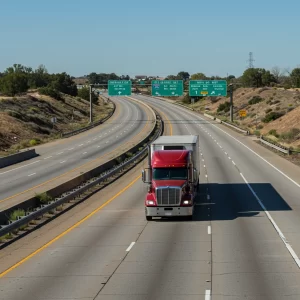
Truck Emissions Maintenance | How to Reduce Pollution and Boost Efficiency
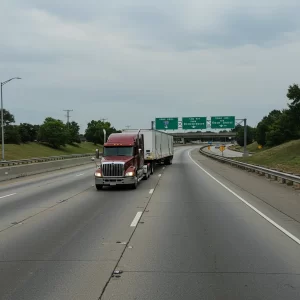
Reduce Truck Emissions | Practical Ways to Lower Your Carbon Footprint
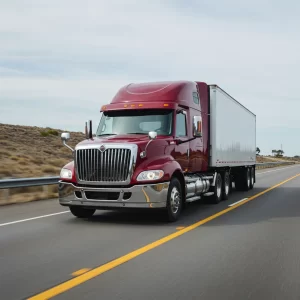
What Causes High Diesel Emissions | Key Factors You Need to Know