How Do Emission Control Systems Work on Trucks?
Understanding Truck Emission Control Systems | A Driver’s Guide

Optimizing your truck for the California Air Resources Board Clean Truck Check is very important for all heavy-duty trucks. This includes diesel-powered trucks, gasoline trucks, zero emissions trucks, emergency trucks, military trucks, motorhomes from outside California, and historical trucks. Following the Clean Truck Check rules makes sure your trucks meet emissions rules. It also helps you avoid fines or having your registration blocked by the Department of Motor Vehicles. You need to do full diagnostics, keep your trucks well maintained, and meet reporting deadlines. Doing all this reduces harmful gases like nitrogen oxides and tiny particles. It also helps public health, lowers greenhouse gases, and keeps your trucks running smoothly without problems.
The Clean Truck Check is part of the California Air Resources Board Heavy Duty Inspection and Maintenance Program. It helps cut pollution from trucks that weigh more than 14,000 pounds. The program tests diesel trucks, gasoline trucks, and other heavy trucks. Some trucks do not need to be tested. These include zero-emission trucks, emergency trucks, military trucks, motorhomes registered outside California, historical trucks, and experimental trucks. Trucks must be registered with CARB, submit emissions data, and pay the Clean Truck Check fee. Trucks are tested using smoke opacity meters, onboard diagnostic systems, and portable emissions tools. The tests ensure trucks meet first readiness rules and pollution standards. Learn more about Clean Truck Check in Fort Irwin, CA.
Getting ready for the Clean Truck Check starts with reviewing all the trucks in your fleet. You need to identify which trucks require testing and check reporting deadlines using the Department of Motor Vehicles registration or the vehicle identification number. Make sure each truck has completed its semi-annual or quarterly emissions inspections if it has an onboard diagnostic system. Update driver training and certificates as needed. Onboard diagnostic systems, electronic logging devices, and portable emissions tools should be ready for use. You must understand warm-up cycles and “since codes cleared” requirements. Following these steps helps trucks meet first readiness rules and avoids fines or registration blocks. Learn more about Clean Truck Check in Landers, CA.
Doing a full diagnostic scan is very important for getting ready for the Clean Truck Check. You can use onboard diagnostic scan tools, smoke opacity meters, and other diagnostic equipment. These tools check for active, inactive, and pending fault codes. Guided diagnostic features provide information about maintenance needs. This helps ensure the check engine light is off and the drive cycles for clearing codes are complete. Performing all tests correctly lowers nitrogen oxide and particulate pollution. It also prevents failing inspections and keeps your fleet running smoothly without extra problems. Learn more about Clean Truck Check in Palos Verdes Estates, CA.
Telematics and telemetry devices help you monitor your trucks from anywhere. Using remote diagnostics, you can receive alerts about active or pending faults, track emissions, and plan maintenance. You can see if trucks need additional warm-up cycles or drive cycles to clear codes. Using telematics also makes it easier to submit emissions reports to CARB. This lowers the risk of fines and helps meet environmental goals by reducing pollution. Learn more about Clean Truck Check in South El Monte, CA.
Inactive and pending fault codes can prevent trucks from passing the Clean Truck Check. Technicians must monitor all onboard diagnostic systems and follow “since codes cleared” rules, completing enough warm-up cycles before testing. Failing to address inactive fault codes or meet first readiness rules can lead to inspection failures, fines, or registration blocks. Fixing problems early with a full diagnostic scan helps trucks run better and stay ready for inspection. It also helps reduce harmful pollution in the air. Learn more about Clean Truck Check in Twentynine Palms, CA.
To get ready for the Clean Truck Check, you need special tools, adapters, and cables. These help connect to onboard diagnostic systems, electronic logging devices, and portable emissions tools. Smoke opacity meters, scan tools, and truck-specific adapters are necessary to perform tests correctly. Having the right tools and keeping them updated with the latest software improves diagnostic accuracy. This lowers the risk of failing the test and makes reporting to CARB easier. It also keeps your trucks working properly and ready for inspection. Learn more about Clean Truck Check in Manhattan Beach, CA.
Training your technicians and staff is very important for passing the Clean Truck Check. They need to understand CARB rules, how onboard diagnostic systems work, what fault codes mean, how to perform emissions tests, and how to meet reporting deadlines. Staff should also know how to complete drive cycles, smoke opacity tests, and full diagnostic scans. They need to use telematics for remote monitoring. Skilled staff ensure emissions remain low and trucks comply with regulations. This helps avoid fines and other penalties while keeping trucks running safely. Learn more about Clean Truck Check in Montebello, CA.
To stay compliant with CARB, you need to check trucks regularly. This includes semi-annual or quarterly emissions tests, submitting data to CARB, and keeping all certificates and registrations up to date. Use telematics to monitor trucks, track warm-up cycles and “since codes cleared,” and perform periodic smoke tests. Keeping trucks in good condition prevents registration holds, fines, and other penalties. It also lowers greenhouse gases, improves air quality, and keeps your fleet running efficiently. Learn more about Clean Truck Check in Monterey Park, CA.
Understanding Truck Emission Control Systems | A Driver’s Guide
What is the Lifespan of Truck Emissions Components | Guide to Durability and Replacement
Are New Diesel Trucks Reliable with Emissions Systems | What You Need to Know
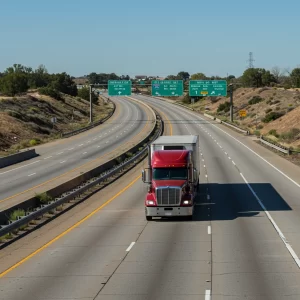
Truck Emissions Maintenance | How to Reduce Pollution and Boost Efficiency
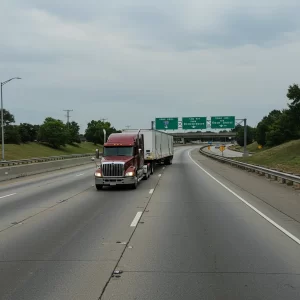
Reduce Truck Emissions | Practical Ways to Lower Your Carbon Footprint
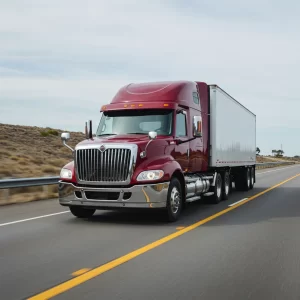
What Causes High Diesel Emissions | Key Factors You Need to Know