
How Do Emission Control Systems Work on Trucks?
Understanding Truck Emission Control Systems | A Driver’s Guide

High diesel emissions happen when several different problems affect the engine, fuel, and driving conditions. Diesel engines can produce exhaust emissions like nitrogen oxides, carbon monoxide, sulfur dioxide, volatile organic compounds, and small particles called particulate matter when the fuel does not burn completely or the engine is not working well. Over time, carbon can build up in the fuel system and injectors, filters can get clogged, and old engines can wear down, making emissions worse. Other factors like short trips, cold weather, and rough driving can also make emissions higher. These emissions are harmful because they affect air quality, can hurt people’s health, and make it harder for vehicles to meet government rules about emissions.
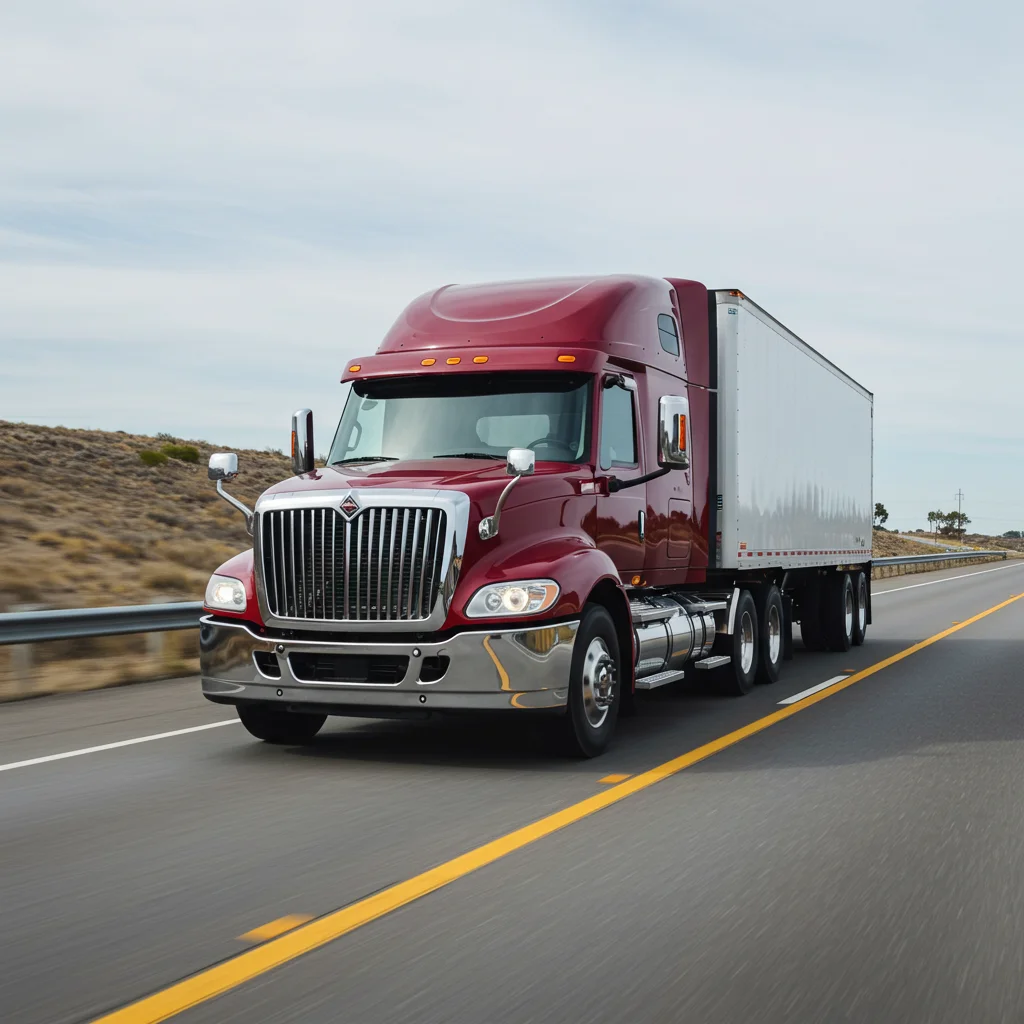
Mechanical problems in diesel engines are a major reason why emissions can increase. Parts like injectors can wear out or leak. Air filters can become clogged, turbochargers may malfunction, and valves or piston rings can wear down. All of these issues prevent the engine from burning fuel efficiently, producing more harmful gases and particles like nitrogen oxides and fine particulate matter. Diesel particulate filters and exhaust gas recirculation valves are also critical. If they fail, exhaust backpressure increases, fuel efficiency drops, and carbon buildup accelerates. These problems reduce diesel engine performance and shorten its lifespan. Learn more about Clean Truck Check in Cudahy, CA.
Bad fuel or fuel with too much sulfur can cause diesel engines to burn fuel inefficiently. This increases harmful emissions like fine particles, carbon monoxide, and sulfur dioxide. Poor-quality fuel also leads to carbon buildup in the fuel system and injectors. Diesel engines perform better with clean fuel, such as low-sulfur diesel. Using alternative fuels like natural gas or biodiesel can also help reduce emissions when blended correctly. Fuel conditioners and additives improve combustion and reduce pollutant output. Using high-quality fuel is essential for keeping diesel engines running efficiently and extending their lifespan. Learn more about Clean Truck Check in Duarte, CA.
Diesel particulate filters and exhaust gas recirculation valves help control diesel emissions. Diesel particulate filters capture fine particles before they leave the engine, while exhaust gas recirculation valves redirect part of the exhaust back into the engine to reduce nitrogen oxides. These systems require regular cleaning, inspection, and replacement as needed to function properly. If they fail, exhaust backpressure increases, fuel efficiency decreases, and carbon buildup accelerates. Maintaining these systems protects diesel engine performance, fuel efficiency, and engine lifespan. Learn more about Clean Truck Check in El Segundo, CA.
Weather and environmental conditions also affect diesel emissions. Hot, cold, or dusty conditions, high altitudes, and short trips can cause fuel to burn less efficiently. This produces more harmful pollutants such as nitrogen oxides, fine particles, and volatile organic compounds. Short trips and extended idling lead to soot buildup in the engine. Carrying heavy loads also increases stress on the engine and exhaust system. Monitoring these conditions and driving carefully can help reduce diesel emissions and protect air quality. Learn more about Clean Truck Check in Glendora, CA.
It is important to notice early signs of high diesel emissions. Smoke from the exhaust, a drop in fuel efficiency or engine performance, and strong exhaust smells indicate the engine is producing excessive pollutants. Testing emissions with smoke tests or specialized measurement tools can detect problems early. Addressing issues promptly helps the engine last longer, prevents costly repairs, and keeps emissions lower. Diesel engines operate more efficiently when emissions are controlled, protecting both engine longevity and driver safety from harmful pollutants. Learn more about Clean Truck Check in Hermosa Beach, CA.
Regular maintenance is essential for keeping diesel emissions low. Servicing the engine, checking and changing engine oil, cleaning or replacing filters, and maintaining selective catalytic reduction systems and AdBlue levels all help the engine burn fuel efficiently. Cleaning diesel particulate filters, inspecting injectors, turbochargers, and exhaust gas recirculation valves prevents issues that increase emissions. Proper maintenance reduces harmful pollutants like nitrogen oxides, carbon monoxide, and fine particles, ensures the engine operates smoothly, improves fuel efficiency, and extends the lifespan of the diesel engine. Learn more about Clean Truck Check in Hidden Hills, CA.
The way a person drives affects diesel emissions. Smooth acceleration, warming up the engine before driving, managing the weight of the load, and minimizing idle time help the engine burn fuel efficiently. Longer trips help clean soot from diesel particulate filters and keep exhaust gas recirculation valves functioning properly. Driving carefully using eco-driving techniques such as maintaining moderate speed, gentle braking, and avoiding unnecessary stops also improves fuel efficiency and reduces harmful emissions. These habits help the engine perform better and protect air quality. Learn more about Clean Truck Check in Huntington Park, CA.
New technologies and additives are helping diesel engines produce fewer emissions. Selective catalytic reduction systems, advanced sensors, and electronic control units help the engine burn fuel more completely and reduce nitrogen oxide emissions. Fuel additives prevent carbon buildup in injectors and the fuel system while improving engine efficiency. Testing tools like portable emissions measurement systems, smoke tests, and engine dynamometers allow mechanics to monitor emissions accurately. Using these technologies and additives helps engines comply with emissions regulations, last longer, require fewer repairs, and keep drivers safe from harmful pollutants. Learn more about Clean Truck Check in Industry, CA.
Understanding Truck Emission Control Systems | A Driver’s Guide
What is the Lifespan of Truck Emissions Components | Guide to Durability and Replacement

Are New Diesel Trucks Reliable with Emissions Systems | What You Need to Know
Truck Emissions Maintenance | How to Reduce Pollution and Boost Efficiency
Reduce Truck Emissions | Practical Ways to Lower Your Carbon Footprint
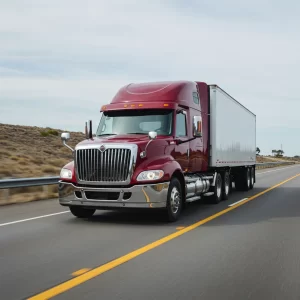
What Causes High Diesel Emissions | Key Factors You Need to Know