How Do Emission Control Systems Work on Trucks?
Understanding Truck Emission Control Systems | A Driver’s Guide

The California Air Resources Board (CARB) runs the Clean Truck Check, also called the Heavy-Duty Inspection and Maintenance (HD I/M) Program. This program helps lower air pollution by making sure diesel-powered vehicles over 14,000 pounds gross vehicle weight rating (GVWR) pass regular emissions tests. The program uses the CTC-VIS database, which connects with the California Department of Motor Vehicles (DMV) to track each vehicle’s testing records. If a heavy-duty truck, bus, or fleet vehicle does not meet emissions standards or ignores a Notice to Submit to Testing, CARB can place a hold on registration or issue fines. In serious cases, the vehicle can be impounded until the owner sends proof of correction showing that the emissions problems have been fixed. Staying compliant keeps your vehicle legal, prevents fines, and helps protect air quality across California.
The Clean Truck Check is an important part of California’s plan to cut down harmful emissions from heavy-duty vehicles, such as trucks, buses, and some alternative fuel vehicles. The program uses Portable Emission Acquisition Systems (PEAQS) and Automated License Plate Reader (ALPR) cameras to find trucks that release too much smoke or other pollutants. This system is part of a larger emissions reduction program that aims to lower fine particulate matter and NOx pollution on California’s roads. By following these rules, vehicle owners avoid penalties and help keep their registration active with the DMV. The Heavy-Duty Vehicle Inspection Program makes sure all vehicles stay safe, clean, and ready for use on public roads. Learn more about Clean Truck Check In Pedley, CA.
All diesel-powered vehicles, hybrid heavy-duty vehicles, and alternative fuel trucks with a gross vehicle weight rating (GVWR) of more than 14,000 pounds must take part in the Clean Truck Check Program if they drive in California. This rule also applies to out-of-state registered vehicles operating in California. Certain vehicles, such as zero-emission vehicles, authorized emergency vehicles, military tactical vehicles, motorhomes registered outside California, and historical vehicles, are exempt. Every fleet owner must register their vehicles in the CTC-VIS portal, add all vehicle details, submit required test results, and get a valid Vehicle Compliance Certificate. This certificate proves that the vehicle meets CARB’s emissions standards and is legal to operate within California. Learn more about Clean Truck Check In Pine Cove, CA.
A truck can face violations for many reasons under the Clean Truck Check. These include missing a testing deadline, not paying the annual per-vehicle compliance fee, or failing an opacity test or on-board diagnostics (OBD) inspection. Ignoring a Notice to Submit to Testing is also a serious issue. Trucks that give off too much smoke, show tampering with emission control labels, or miss reporting windows and deadlines can receive citations. The California Department of Motor Vehicles (DMV) can place a registration hold on non-compliant vehicles. If the problem continues or the owner fails to submit proof of correction, CARB can coordinate with law enforcement to impound the vehicle until compliance is confirmed. Keeping vehicles in good condition and testing on time helps avoid these costly problems. Learn more about Clean Truck Check In Pine Wood, CA.
Starting in January 2025, CARB will increase the number of required periodic testing requirements for vehicles under the HD I/M Program. These tests follow VIN-based testing schedules, and results must be sent through credentialed testers using approved emissions detection systems. Each test is uploaded to the CTC-VIS database, where it is matched to DMV registration data. Large fleets can simplify this process using the Affirmation of Fleetwide Compliance option, which helps manage all certificates together. Every vehicle must have an active Compliance Certificate before registration renewal. Fleet owners must also pay the annual compliance fee per vehicle. Missing these deadlines or payments can result in registration blocks or civil penalties under CARB enforcement rules. Learn more about Clean Truck Check In Pinto Wye, CA.
To avoid impoundment and penalties, truck and fleet owners need to follow all rules under the California Air Resources Board (CARB) system. Start by creating an account in the CTC-VIS portal, entering all vehicle details, and setting up alerts for testing deadlines. Payments should be made early to avoid processing delays. Paying by bank transfer usually has no fees, while credit card payments may include small processing charges. Vehicles must pass their emissions inspections, which include smoke opacity testing, visual checks, and on-board diagnostics testing. Keep organized records of all Vehicle Compliance Certificates and test receipts. These documents are important in case of audits, registration renewals, or compliance checks by CARB or the DMV. Learn more about Clean Truck Check In Pinyon Crest, CA.
Fleet owners should first figure out which vehicles fall under the Clean Truck Check program. Each of these vehicles must be registered in the CTC-VIS reporting portal. Owners need to make sure all vehicle information fields, such as the VIN, registration expiration date, and engine information, are filled out correctly. Fleet managers should assign user roles and allow entity admins to handle updates and bulk uploads. Testing schedules should match the vehicle registration cycle, and results must be uploaded before the reporting window closes. Missing these steps can result in citations, fines, and possible impoundment. Careful record-keeping and timely testing are the best ways to keep the fleet in full compliance. Learn more about Clean Truck Check In Pinyon Pines, CA.
If your truck is impounded due to a Clean Truck Check violation, you must fix the issue that caused the problem right away. This may mean completing a missed test, paying all civil penalties, and submitting proof of correction through the CTC-VIS system. A credentialed tester must perform a passing test using approved emissions tools and upload the results to the database. After CARB verifies that your vehicle meets the requirements and all payments have been made, the DMV registration hold will be lifted. The faster you act, the sooner your vehicle will be released. Keeping your records in order and acting quickly helps avoid extra fines or long delays that can hurt your business. Learn more about Clean Truck Check In Porphyry, CA.
Technology makes compliance easier. Tools like Clean Truck Check Up and JPRO Diagnostics work directly with a truck’s on-board diagnostics system to run bi-directional tests, read fault codes, and perform visual and functional inspections. These tools meet CARB-approved testing standards and can upload results right into the CTC-VIS database. Using systems like this gives fleet managers a clear view of fleetwide compliance and helps them plan future testing schedules. The tools can also connect with fleet management systems, alerting users before a vehicle’s reporting window closes. They work with CARB’s Advanced Clean Fleet Program, Periodic Smoke Inspection Program, and the Heavy-Duty Inspection and Maintenance Program, keeping all testing records in one place. Learn more about Clean Truck Check In Prenda, CA.
Understanding Truck Emission Control Systems | A Driver’s Guide
What is the Lifespan of Truck Emissions Components | Guide to Durability and Replacement
Are New Diesel Trucks Reliable with Emissions Systems | What You Need to Know
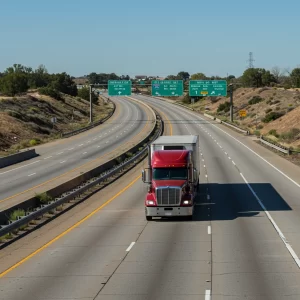
Truck Emissions Maintenance | How to Reduce Pollution and Boost Efficiency
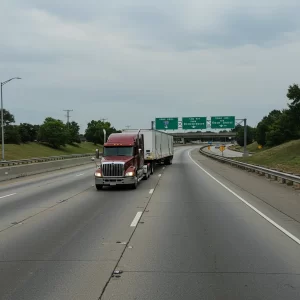
Reduce Truck Emissions | Practical Ways to Lower Your Carbon Footprint
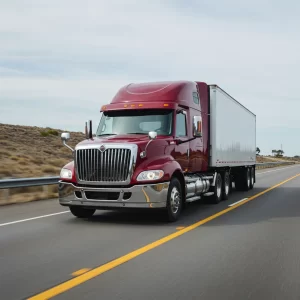
What Causes High Diesel Emissions | Key Factors You Need to Know